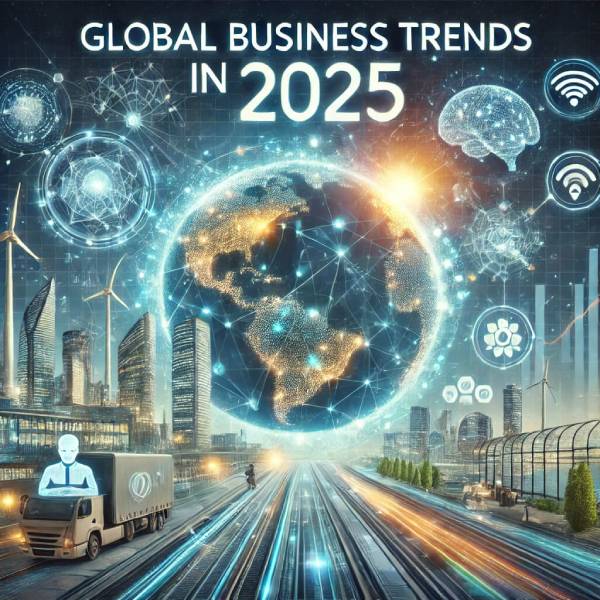
It has always been about more than simply moving from one place to the next. It is a reflection of how people view themselves, what they value, and what they're looking for outside the realms of the everyday. The global travel landscape of 2026/27 is defined by a fascinating conflict between the need for authentic discovery and the pressures of overtourism and the ease of technology as well as the longing for authentic human interaction, and between the growing awareness of how travel impacts the environment as well as the persistent desire to explore exploring new places. Here are the ten trends in travel that are transforming the way we travel to 2026/27.
1. Slow travel gains ground Against The Highlight ReelThe model of cramming all the destinations you can into a brief trip, designed for content on social media rather than genuine travel, is becoming obsolete in favor of a different approach. Slow travel that involves staying in fewer places, renting accommodation rather than staying in hotels purchasing locally, and engaging with a location with a speed that gives the sense of being familiar with the place, has become increasingly appealing to tourists who have attempted the highlight reel only to find it wanting. This trend is part of a bigger evaluation of what traveling is truly about and what's worth spending time and money.
2. In the wake of overtourism, there is a need to reconsider popular destinationsAn increasing number of major tourist destinations around the world are implementing measures to manage visitors' numbers following years of unchecked tourist growth pushed infrastructure, ecosystems, and local communities to breaking point. Entry fees, visitor limits as well as restricted access to sensitive sites, as well as increased costs are designed to cut down on the volume of visitors while increasing the amount of revenue per visit are all becoming more common. For travelers, this means more planning, longer lead time and, in some instances, the need to rethink which destinations are worth visiting. Also, it is bringing back interest in alternative destinations that are similar to the experience without the crowds.
3. Sustainable Travel Moves From Niche To ExpectationAwareness of the environmental impact of travel, especially aviation has grown dramatically and it is beginning to alter the behavior of travelers in tangible ways. Travellers are increasingly interested in environmentally friendly travel alternatives, accommodations which have sustainability certifications, and itineraries which contribute positively to the places they visit rather than simply extracting pleasure from them. The need for reputable sustainable travel options is growing fast enough that greenwashing, which is always widespread in this market is under more scrutiny. Operators that demonstrate genuine social and environmental responsibleness are becoming more and more effective as a differentiator.
4. Technology Revolutionizes Travel Experience End To EndThe tools range from AI-powered trip planners that design personalised itineraries basing on personal preferences, for seamless electronic border crossings that are real-time translating, and accommodation platforms that connect travelers to experience that goes beyond the normal hotel room, technology is altering each stage of travel. The difficulties that were once the norm for international travel, including the long lines as well as the paperwork, language barriers, and the information gaps, is being systematically reduced. In the case of experienced travelers this usually means more time for the experience. For first-timers and those who were previously intimidated by international travel This is the process of removing the barriers that prevented them from trying.
5. Wellness Travel Becomes A Major SectorWellness is now one of the fastest-growing segments in the global market for travel. People are increasingly constructing trips around experiences designed to enhance their physical and mental health instead of treating wellness as an extra benefit of the perfect vacation. Dedicated wellness retreats, thermal spas online detox programs guided sleep retreats, and itineraries based on hiking, yoga, and mindful experiences are all expanding rapidly. The post-pandemic review of priorities have made investment in health and rejuvenation not only acceptable but aspirational for an increasing and growing section of travellers.
6. Culinary Tours Are a Major MotivatorFood has always been a component of a travel experience however for an increasing number travelers, food is the primary reason rather than the result of a pleasant incident. Some destinations are being chosen for their culinary traditions or restaurants, and also the chance to learn cooking techniques that cannot be replicated at home. Food tourism encompasses every budget range, starting from street food trails throughout Southeast Asia to reservation-only tasting menus at renowned restaurants. The global spread of food news and the communities set around it have produced the world's largest and most engaged population for whom eating well isn't just a way to enjoy a meal but a genuine form of exploration into culture.
7. Solo Travel Continues Its Spectacular GainSolo travel, specifically among women, is one of the most stable growth trends in the industry. The availability of better information, stronger traveller communities, improved safety infrastructure throughout a wide range of destinations and a shift towards taking solo travel as empowering instead of eccentric are all contributing to. The lodging industry has taken note of this by offering more solo-friendly options and options, from hostels for social gatherings specifically for adult travelers to luxury hotels that provide single-room prices. Tour operators have expanded small-group excursions specifically designed for travelers who prefer to travel on their own with no commitment to travel with a companion.
8. The Return of Longer-Form Expeditionary TravelOn the opposite different end of the spectrum to the city breaks on weekends, there is a rising interest in more adventurous, long-distance travel. Multiple-month long overland routes, sea crossings, long-distance trail systems and expedition-style traveling that requires serious preparation and commitment are attracting people who want experiences that are different from ordinary life rather than simply extending it to a new locale. Flexibility in remote work allows longer journeys to be achievable for those not juggling jobs or retired. Aspirations to go on real-life, significant trips which requires an organized plan, is a lot of work, as well as bringing about change rather than just memories, is gaining an ever-growing audience.
9. Space And Extreme Destination Tourism Edges Toward RealitySpace tourism for commercial purposes is the only option for the very wealthy, but the trajectory will be towards wider accessibility over time. The curiosity is sparking a real curiosity about what traveling at its most extreme limits looks like. Additionally, extreme destination tourism, which includes Antarctica, deep ocean environments active volcanic sites and some of the most remote places on earth, is growing as both technology and specialist operators make previously impossible trips achievable. The desire for experiences that are truly unique in a society where all destinations feel mapped and accessible drives interest in extremes of what travel is.
10. Travel turns into a vehicle Positive ContributionVoluntourism has had a challenging background, with well-meaning initiatives often causing more harm rather than good. A more sophisticated version is emerging in which visitors are seeking to make a difference to their destinations without replacing local workers or imposition of external agendas. Experience-based volunteering, conservation projects which have a scientific basis and community tourism models which direct their spending directly to local economies are on the rise. The desire to leave an area better than when you arrived or, at a minimum, to assure that your visit hasn't caused harm, is becoming a greater factor when a considerate and expanding segment of travelers plan as well as evaluates their trip.
The travel experience in 2026/27 will be much more diverse, self-aware, and in many ways more interesting than it has ever been. The tensions it faces, between access and preservation as well as convenience and depth ambition and responsibility, are not easily resolved. But the people and operators taking seriously on these issues have created a model of exploration that is more honest and more meaningful than the one that it is slowly replacing. For more info, visit some of these trusted colombiavision.net/ and find expert coverage.
 The 10 Modern Parenting Shifts Every Parent Needs To Know In 2026
The way we parent has always been influenced by the social, cultural and technological setting in the which it occurs. the environment of 2026/27 will be distinct in ways that are creating new challenges and new opportunities for families. The world that parents find themselves in encompasses a digital world of unimaginable complexity, an evolving understanding of the development of children and mental health, major economic challenges affecting family life and a new cultural moment that is changing the way we think regarding how children are raised. Here are ten parenting strategies that modern families ought to be aware of when they reach 2026/27.
1. Screen Time Gives Way To Talking on screen in high-quality conversationsThe debate over screen time and children has grown beyond the bare metric of total screen time toward more nuanced discussions around what children are actually doing on their screens, how they interact with others and in what context. Research is increasingly separating passive consumption engaging in interactive activities, creative production, and the social connection generated by technology as well as observing that these have profoundly different implications for development. Teachers and parents are moving away from imposing time limits that are hard for children to keep in mind, and toward their capability to engage with digital content critically, intentionally, and with healthy boundaries and skills that serve them much better than the enforced restriction that ends the moment parental oversight is removed.
2. Mental Health Awareness Transforms How Parents Respond to ChildrenThe massive increase in the public's mental health literacy over the past decade has altered the way parents react and perceive children's behavioural and emotional experiences. Anxiety, neurodevelopmental differences with emotional dysregulation, as well the consequences of experiences that have been adverse are all being interpreted with greater sensitivity by a generation of parents who has benefitted from more dialogue about mental health. The result is a shift toward earlier identification difficulties, fewer stigma of seeking help, and techniques for parenting that stress psycho-security and emotional awareness along with standard developmental milestones. The services that support children's mental health are under pressure in most countries, but the demand driving that pressure has seen a significant improvement regarding awareness and assistance seeking.
3. The pressures of a heightened parenting To Face Growing PressureThe concept of intense parenting, which is characterized by a high level of involvement of parents in all aspects of children's lives and crammed agendas for activities, ongoing enrichment, as well as the perception of childhood in a way designed to be streamlined is facing a significant cultural tension. Research studies on the benefits of play that is unstructured, the necessity of boredom to develop the risks of having too much to do, the negative effects of scheduled kids for stress and autonomy growth, and the insufferable anxiety that intensive parenting creates upon parents themselves is catching the attention of the mainstream audience. The pushback is not toward inattention, but towards a shift that offers children more freedom to be more independent and more opportunities to deal with challenges without relying on others as a source of the resilience.
4. Technology shapes both the challenges And Tools Of Modern ParentingDigital technology is at the same time one of the largest parenting challenges and also one of the most effective tools available to support parenting. AI-powered educational platforms personalise learning and support kids with different needs. Online communities connect parents facing similar challenges by sharing experiences together, knowledge, and solidarity. Monitoring and safety tools give parents access to the digital spaces they're children. In the same way, kids are subjected to the pressures of social media their parents, the difficulties of setting and sustaining digital boundaries in the ever-connected device ecosystem and the complexity of preparing children for a digital world that is changing quickly, all represent completely new problems for parents with no playbooks.
5. Co-parenting as well as diverse family structures Are NormsThe variety of family structures and families raising children in 2026/27 is much greater than at any other time, and the cultural and institutional frameworks around family life are gradually yet meaningfully, adjusting to reflect the current reality. Co-parenting arrangements after a breakup family structures with same-sex parents, single parent families, blended families and multi-generational families are all represented in substantial number. One of the most important factors that predict positive outcomes for children across all of these situations is family relationships' quality and the consistency and warmth of context, rather than a specific structure of the family unit. Advice, support for parents, and community are increasingly built on that understanding, not a single normative family model.
6. Parents and Non-Primary Caregivers take Part in more active rolesThe allocation of caregiving in families is changing, driven by changing expectations from culture, more equitable policies for parental leave in a variety of countries, flexible working arrangements that make active fatherhood likely to be attainable, as well as new generations of fathers who believe in greater involvement in the lives of their children that previous generations did. The shift in caregiving is not uniform and uneven across various the socioeconomic, culture, and geographic environments, but the direction is clear. Research consistently shows advantages for mothers, children and family relations in a world conversational tone where caregiving is fair divided, and provides an basis for evidence in addition to the increasing cultural growth.
7. Financial pressures can alter the way families make decisionsThe pressures on families' finances during 2026/27 will be significant and influence the size of families, childcare, housing, education, and the division between unpaid and paid work in ways that are visible across the dataset. Childcare costs in many countries constitute a large percentage of household income which makes working full time financially less appealing for one parent in dual-income households particularly at more modest incomes. Housing costs affect the decisions made about which area families live in and how many rooms children are raised in. The aspiration to provide children with the same opportunities as well as experiences that earlier generations considered to be normal is coming into economic realities that need to be prioritized. Families with financial stress are the main predictor of poorer outcomes for children. This makes the economic context of parenting is a matter of policy as much than a personal one.
8. Nature And Outdoor Experience Become Deliberate Parenting PrioritiesA generation of kids growing to a time of increasing digital urban, indoor and outdoor environment has spurred parents to pay more as well as educational attention to making sure the children's involvement with natural surroundings as a primary goal rather than an incidental outcome. The research-based evidence on growth, psychological, and physical benefits of a regular nature-based and outdoor experiences of children is vast and increasing. Forest school programmes, outdoor education, and the simple concept of prioritising outdoor time are all responses towards the recognition that children's natural relationship with the physical world has to be actively developed instead of being a part of the environment that many families reside in.
9. Educational Philosophies Change Beyond Conventional SchoolingThe amount of parental involvement in educational alternatives in comparison to traditional schooling has increased dramatically. The home education model, democratic schools Montessori, Waldorf approaches, hybrid models that combine home-based learning with the group setting, and microschools that cater to families with small numbers are all appealing to parents who believe that traditional schools do not fit their children's needs, values and learning styles effectively. The epidemic has demonstrated to many families that learning can happen effectively in non-traditional school settings In addition, a portion of those families have not returned to their traditional schooling. Educational technology makes resources available to other approaches greater than any time in history which has reduced the obstacles to the exploration of education.
10. "The village" Model Of Childraising is a modernized versionThe demise of extended family networks, stable communities, and informal support systems that once surrounded families raising children has led to many parents feeling unwelcome and burdened with responsibilities shared by the past generations more broadly. The search for modern equivalents of the community, groups which share resources and support as well as presence on the same level, are generating new kinds of intentional community, cooperative childcare arrangements, and neighbourhood networks that focus on shared parental assistance. Digital tools for connecting parents who are facing similar challenges can provide some relief, however the most effective responses are those that establish physical contact and ongoing commitment among families who decide to raise their children within a real and genuine community with each other.
Parenting in 2026/27 has become more challenging satisfying, rewarding, and aware than at other periods in history. The trends above do not give a single method to parenting children because it is not possible to find one. They are a reflection of an attitude that thinks much more thoughtfully, more openly, and more collectively about the things children require to thrive, and searching with genuine intent for the conditions for relationships, environments, and even the conditions that are able to offer it. To find additional context, browse a few of the leading vietnamgazette.org/ for more detail.